
 User Login
User Login
User Login
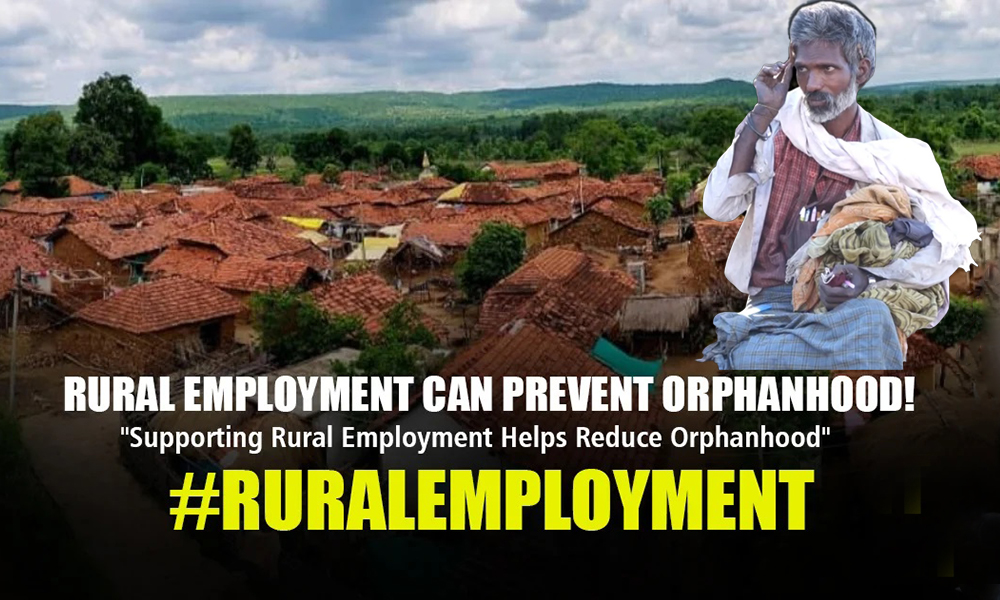
Supporting Rural Employment Helps Reduce Orphanhood
In many rural areas, poverty and unemployment are major causes of social issues, including orphanhood and mental illness. Families struggling to meet basic needs often face severe distress, leading to abandonment, migration, or mental health problems. At Amma Nanna Anada Ashramam, we witness firsthand how economic hardship pushes individuals to the streets, making it crucial to address the root causes. Strengthening rural employment can be a powerful solution to reducing orphanhood and improving mental well being in society.
The Connection Between Poverty and Orphanhood
One of the primary reasons children and individuals with mental disabilities end up homeless is the lack of economic stability in rural families. When parents cannot earn a sustainable income, they face difficult choices some are forced to leave their children in shelters, while others migrate in search of work, leaving their families behind. In extreme cases, financial instability leads to family breakdowns, increasing the number of orphans and abandoned individuals.
Also Read: We Will Get Old Too Why Caring for the Forgotten Matters
Mental Health Struggles in Rural Areas
Financial Stability for Families : When parents have stable jobs, they can provide for their children’s education, healthcare, and overall well-being, reducing the chances of abandonment.
Reduced Migration and Family Separation : Employment opportunities in rural areas prevent forced migration, allowing families to stay together and support one another.
Better Mental Health Support : Economic independence can reduce stress and anxiety, decreasing the number of people who suffer from untreated mental illnesses.
Stronger Community Networks : Employment fosters social connections, reducing isolation and creating a support system for those in need.
Encouraging Sustainable Living:
Jobs in agriculture, handicrafts, and small-scale industries provide long-term livelihoods, reducing dependency on external aid.
Rural employment refers to job opportunities available in villages and countryside areas, including agriculture, handicrafts, rural enterprises, and government employment programs.
2. Why is rural employment important?
It helps reduce poverty, prevents migration to cities, strengthens families, improves mental well-being, and supports economic growth in rural communities.
3. What types of rural employment can help solve these issues?
Sustainable jobs in agriculture, handicrafts, small-scale industries, rural entrepreneurship, and vocational training can provide long-term stability for families and individuals, preventing abandonment and mental health deterioration.

